Growth

How to follow up in 2026: the 4-touch framework that actually gets replies

By Rapid Reach Media8 min read
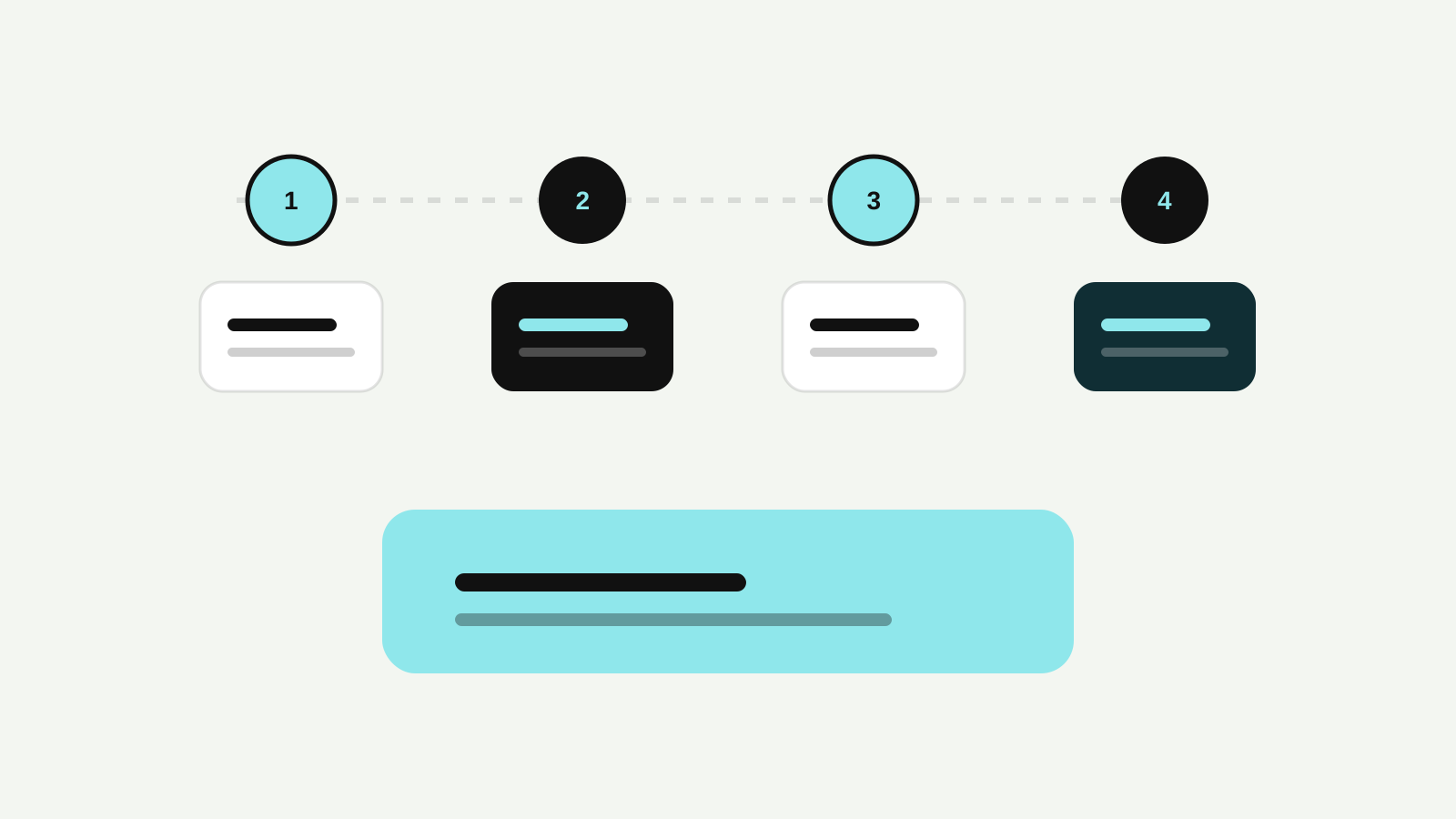
Abstract four-step sequence graphic for follow-up frameworks

Most deals die in silence—not because the offer is bad, but because follow-ups are empty. Here’s the 4-touch framework we use on LinkedIn and email (with templates).

Following up is not nagging when each message earns its place. The best sequences add context, proof, or a sharper question—never “just checking in.”

Here’s the 4-touch follow-up framework we use across LinkedIn and cold email. Same logic. Different format.

The 4-touch follow-up framework

  1. Touch 1 — Open: relevant observation + light question
  2. Touch 2 — Relevance: tie your offer to their world
  3. Touch 3 — Proof: short result or case angle
  4. Touch 4 — Close the loop: polite exit with door left open

Copy-paste follow-up templates

No reply after a full sequence usually means no. Protect your reputation and move to warmer accounts.
Frequently asked questions

How many follow-ups should I send in B2B outreach?

A four-touch structure works well for many LinkedIn and cold email sequences: open, add relevance, share proof, then close the loop. More touches rarely help if the offer is unclear.

What should I say instead of “just checking in”?

Add a useful insight, a short result from similar clients, a relevant question about their priorities, or a polite close that leaves the door open without pressure.

When should I stop following up?

Stop after you complete a planned sequence with no reply. Continuing indefinitely hurts sender reputation and wastes time you could spend on warmer accounts.

follow up emailfollow-up frameworkcold email follow upLinkedIn follow upget more replies

Ready to grow with a real team?

Flat-rate LinkedIn outreach, cold email, web design, and branding.